City of the Past

More Toledo Then & Now posts to come. For now, I want you to get a sense of the emptiness in Toledo that I mentioned in my last post, the contrast between tall buildings and beautiful architecture, and “For Sale” signs in just about every other shop window. I don’t want to create the impression that Toledo is a terrible city to live in, because it’s not. Just like with South Bend, if you open up to it, there are things to do in Toledo. And there is definitely history.

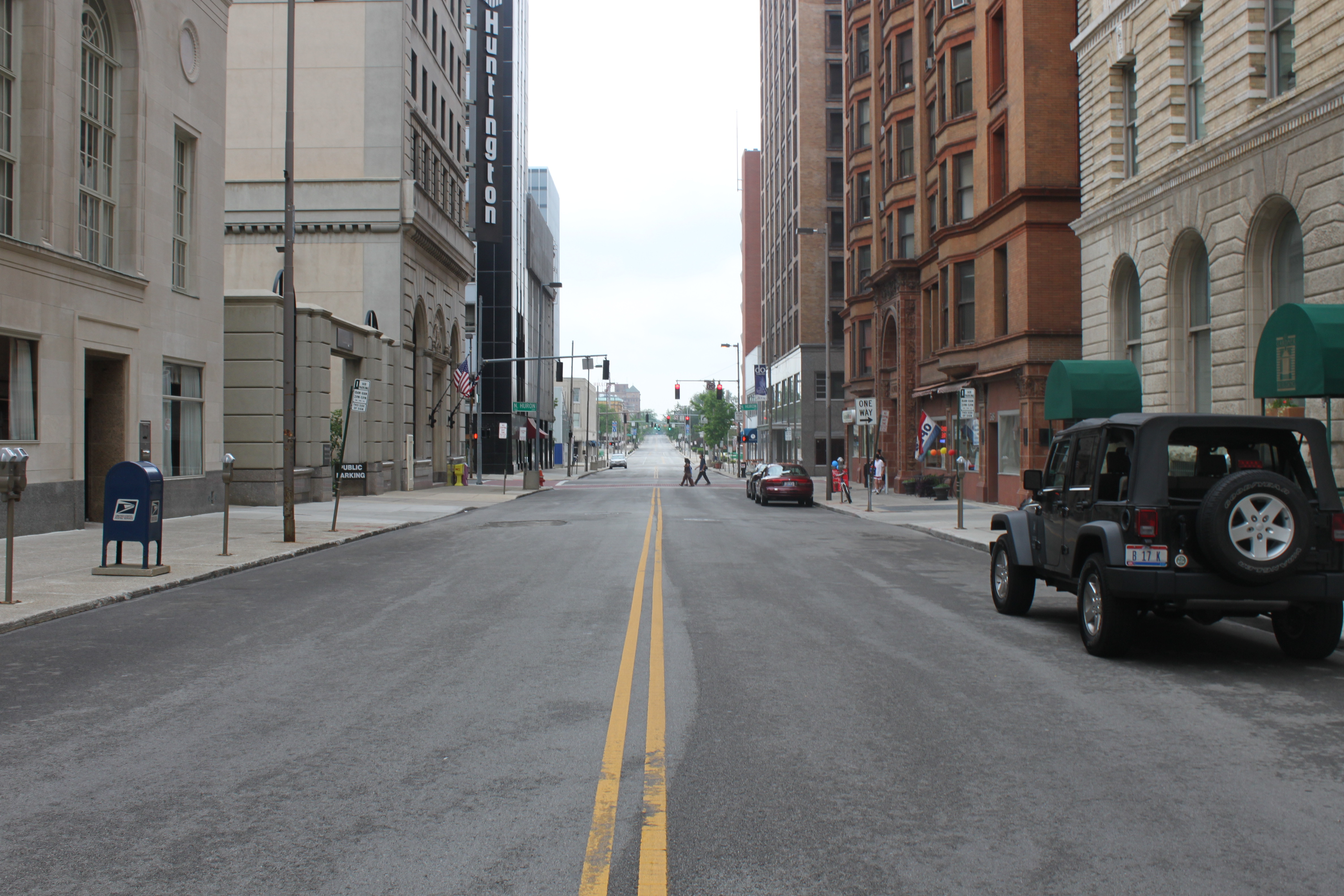
It’s just that Toledo’s past seems to hover over every street, over every building that was once “grand” and isn’t anymore. The past is so present; elderly people smile and shake their heads at the thought of the “old days.” It’s really unsettling to watch a Walmart bag roll for a mile down a major street, never passing a car or another person. Because this is not a rural town, this is a city.

Which has made me question the definition of “city”–what even makes a city a city? Is it the big buildings? The arts scene? The people? Can a city ever lose its “cityness?”

I get the sense Toledo has lost something that can never be recovered.  That’s what I want to pinpoint through these posts.

Sometimes I’ll take a walk around my apartment after work hours or on a weekend, and literally pass no one on the streets.

See slideshow below:

This slideshow requires JavaScript.

From London to Toledo

Credit: Toledo Lucas County Public Library

Above: Madison Avenue, Toledo, OH, circa 1918.

I’m spending the summer working for the Toledo Blade in Toledo, Ohio as a reporting intern. Friends and family keep asking me, “From London to Toledo–why?” and I can honestly say that although Toledo’s no London, no New York, I like it here. I get to write every day and work with amazing people. I’m getting solid reporting experience, and am finding out a lot about the city while doing it.

It was Memorial Day Weekend when my parents helped me move in to my new apartment (which is HUGE, by  the way). When we drove up to the parking lot in our Target-stuffed Suburban, dusk just starting to fall, I had mixed feelings about the whole thing. The building didn’t look all that nice from the outside. And there was absolutely nothing going on, absolutely no one on the streets, which was kind of eerie. The city is somewhat of a ghost town– when business people leave at 6 p.m., the downtown empties out. After work hours, it becomes nearly impossible to find a place to eat, except for a handful of scattered restaurants and bars. Sundays are just a lost cause.

There’s not much socially going on in Toledo, but there is always news.

Toledo is a depressed city. Once bustling and prosperous, the decline of the automotive industry and the white flight epidemic left it deflated. But everywhere, still, you see remnants of the past– beautiful Victorian houses from the 1900s, a grand theater, even hot dog joints that were opened in the 20s and haven’t changed much since. It’s interesting seeing the juxtaposition of majestic architecture and spreading urban decay, and I’m intrigued by this idea of what Toledo used to be.

I’ve been scrolling through the Toledo Library‘s archives of old photos just to get a sense of it. Pictured above is a street right in the downtown, Madison Avenue. It’s hard to imagine so many people once crowded these streets, because today they’re almost always empty.

I’ll be posting more “then and now” pictures later.


This is the same street pictured above, Madison Avenue, today.

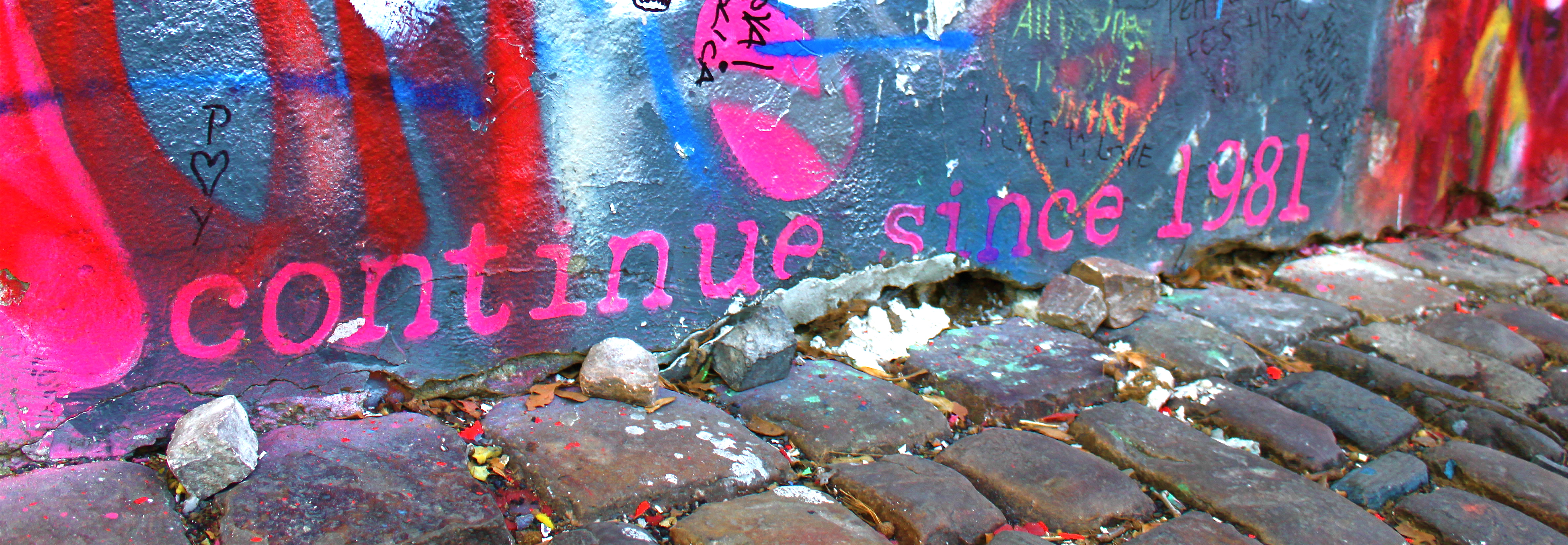
Continued since 1981…


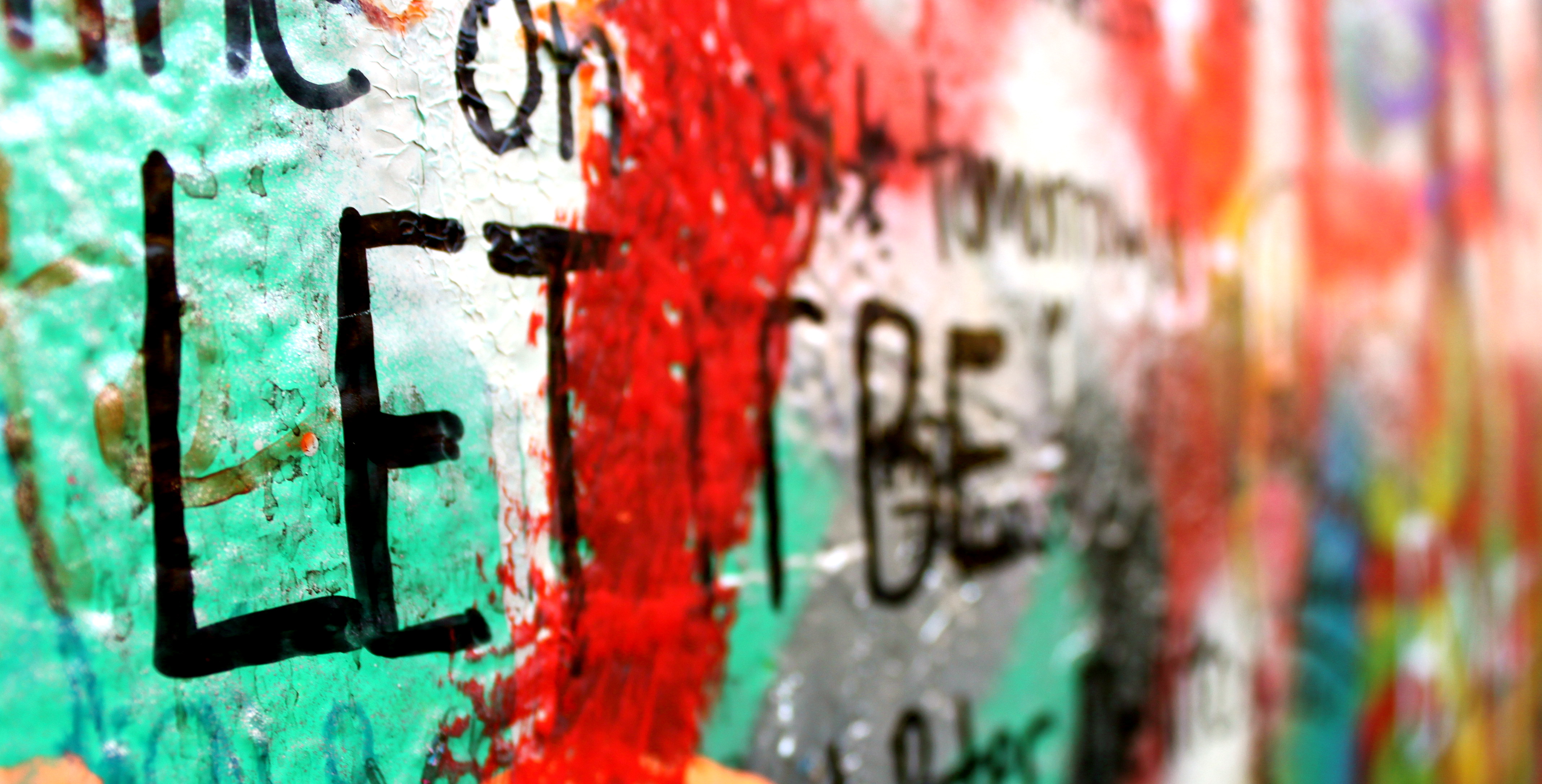
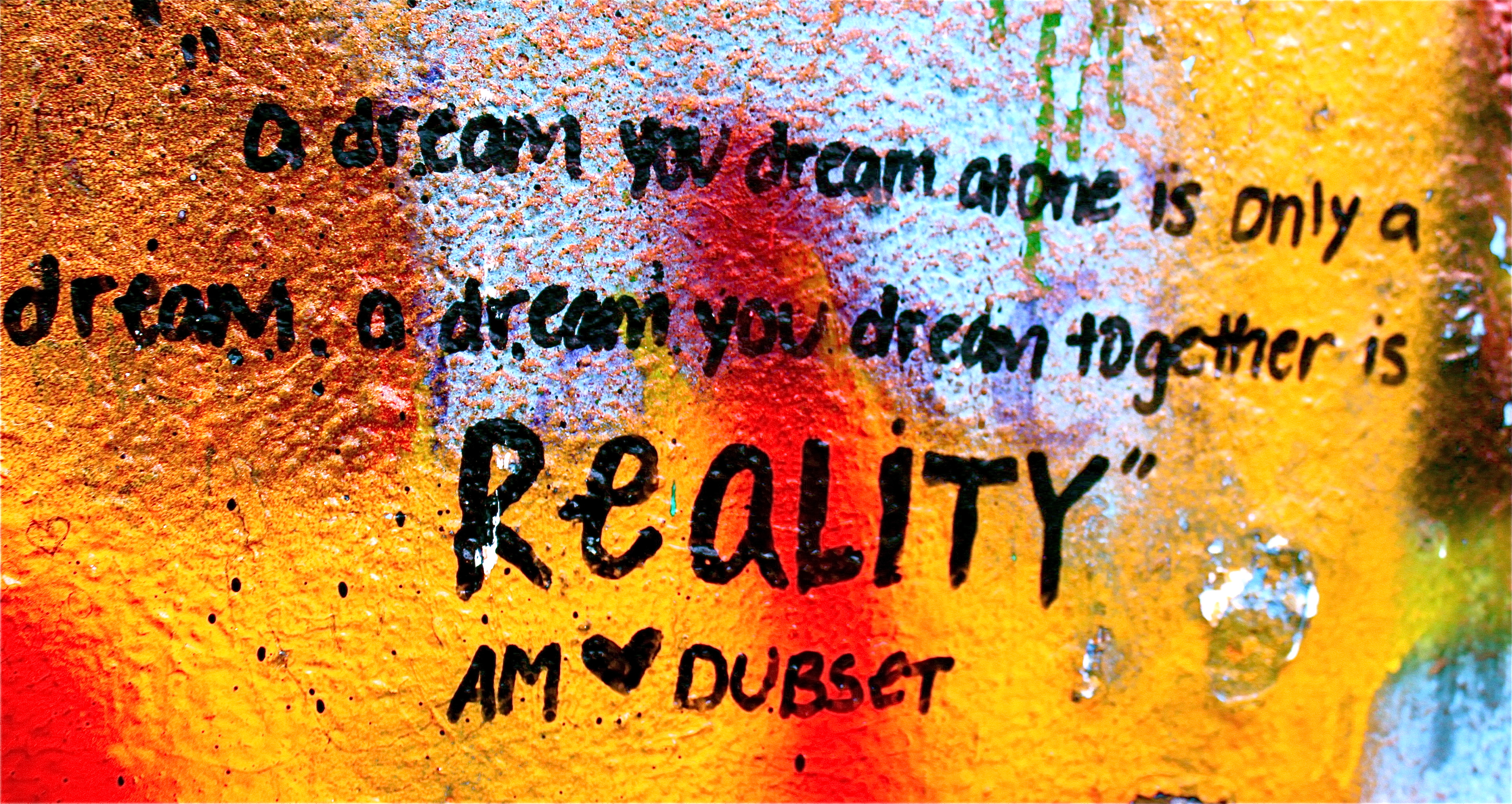
The Lennon Wall in Prague used to be a portrait of John Lennon that’s been covered over since the 1980s with layers upon layers of paint. People began writing messages of freedom when the country was still under Communist rule. It was painted over several times by authorities, but always sprang back, more colorful than before.

Above is a photo montage of pictures I took while visiting the Wall in April. The Wall symbolizes freedom, peace, and unity. But what I found so striking about  it was how the graffiti can be looked at in one of two ways: either as a whole, a collaboration of colors built over thirty years, or as thousands of individual phrases, words, and signatures, each existing in their own space. And because of the context, even the messiest, most indecipherable handwriting means something here.

It’s a…blog!

Dear friends,

As many of you know, I’ve been wanting to start a blog for some time. I love writing, photography, and aimless searching online, so a blog always seemed to be the perfect fusion of my interests.

The summer after my first year in college I interned at a New York based company called Magnet Media, writing blog posts for the photography and design channels of their website, Zoom In Online (Now The Photoletariat). Each day, I’d take my free trade coffee up to the tenth floor of the Chelsea office building, feeling as hipster as a freshman Notre Dame student from a preppy suburban town could feel. I loved my job and was fascinated by the blog world, by how entire communities existed online and artists exchanged ideas through comments and links and shoutouts.

But then summer ended and school started and I forgot about my quirky little pastime. Two years later, I’m finally giving it another try. This blog will contain my own creative writing and photography and finds from the design world.

Hope you enjoy!

Sara