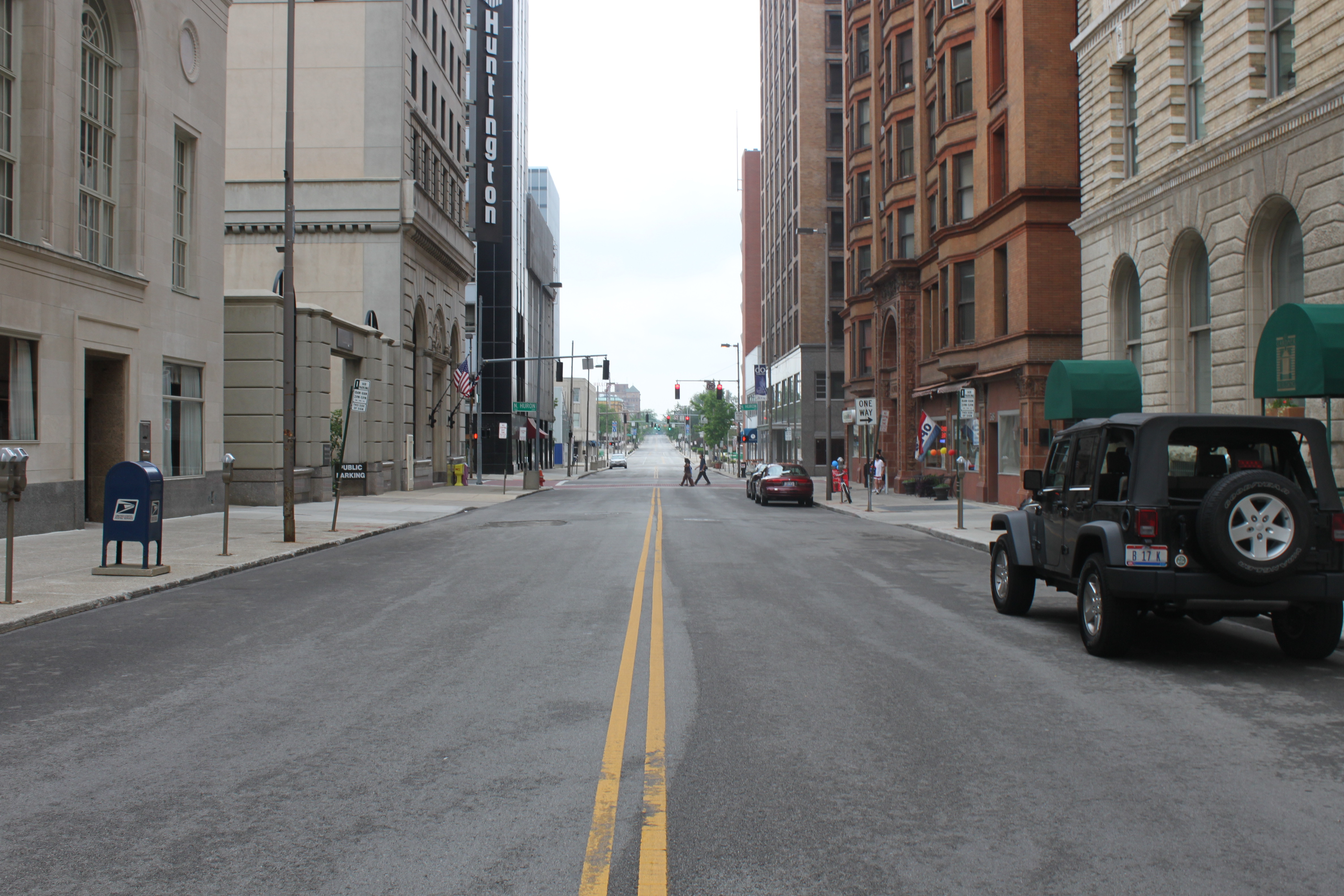
making my way through the city streets…
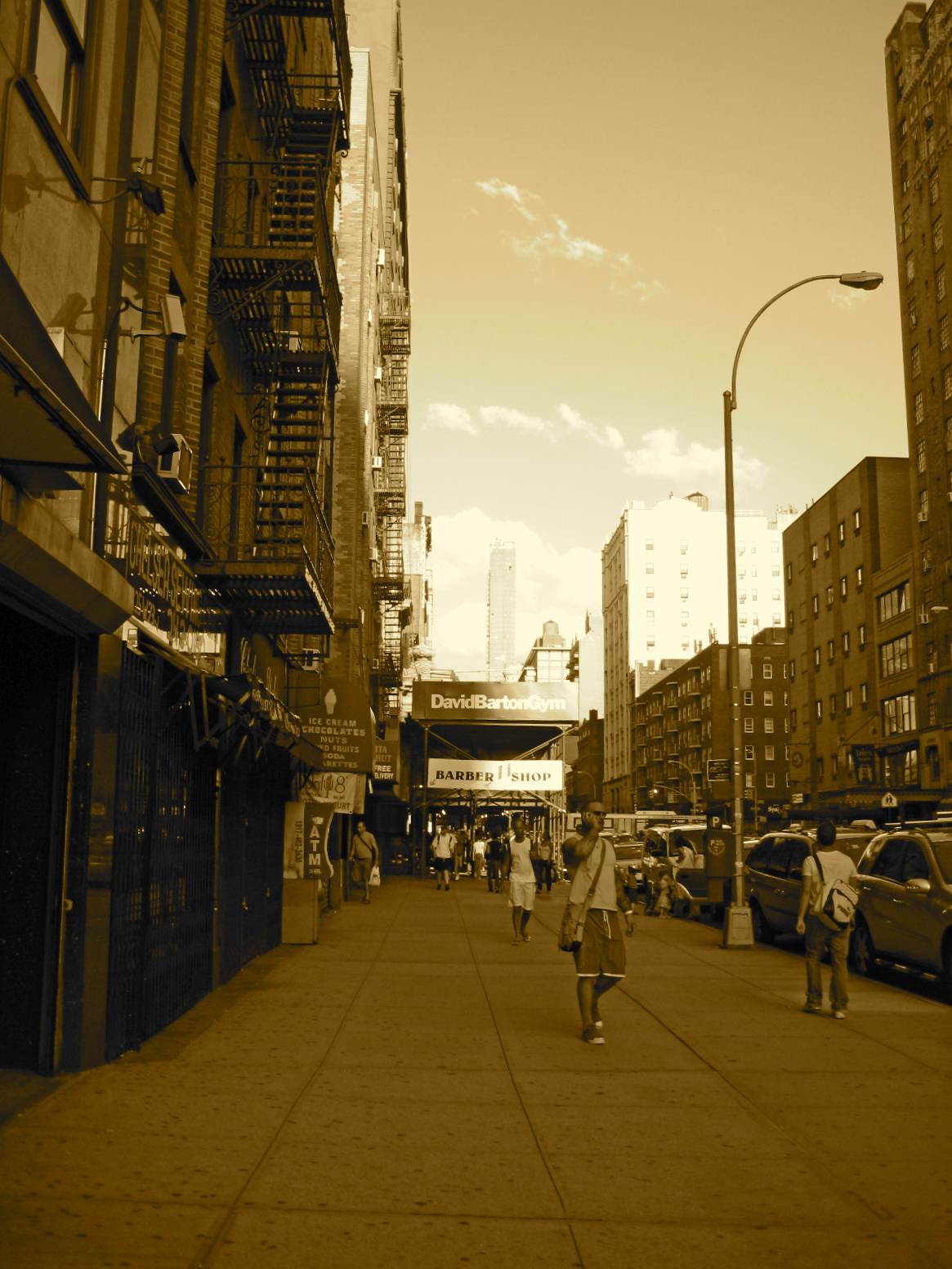
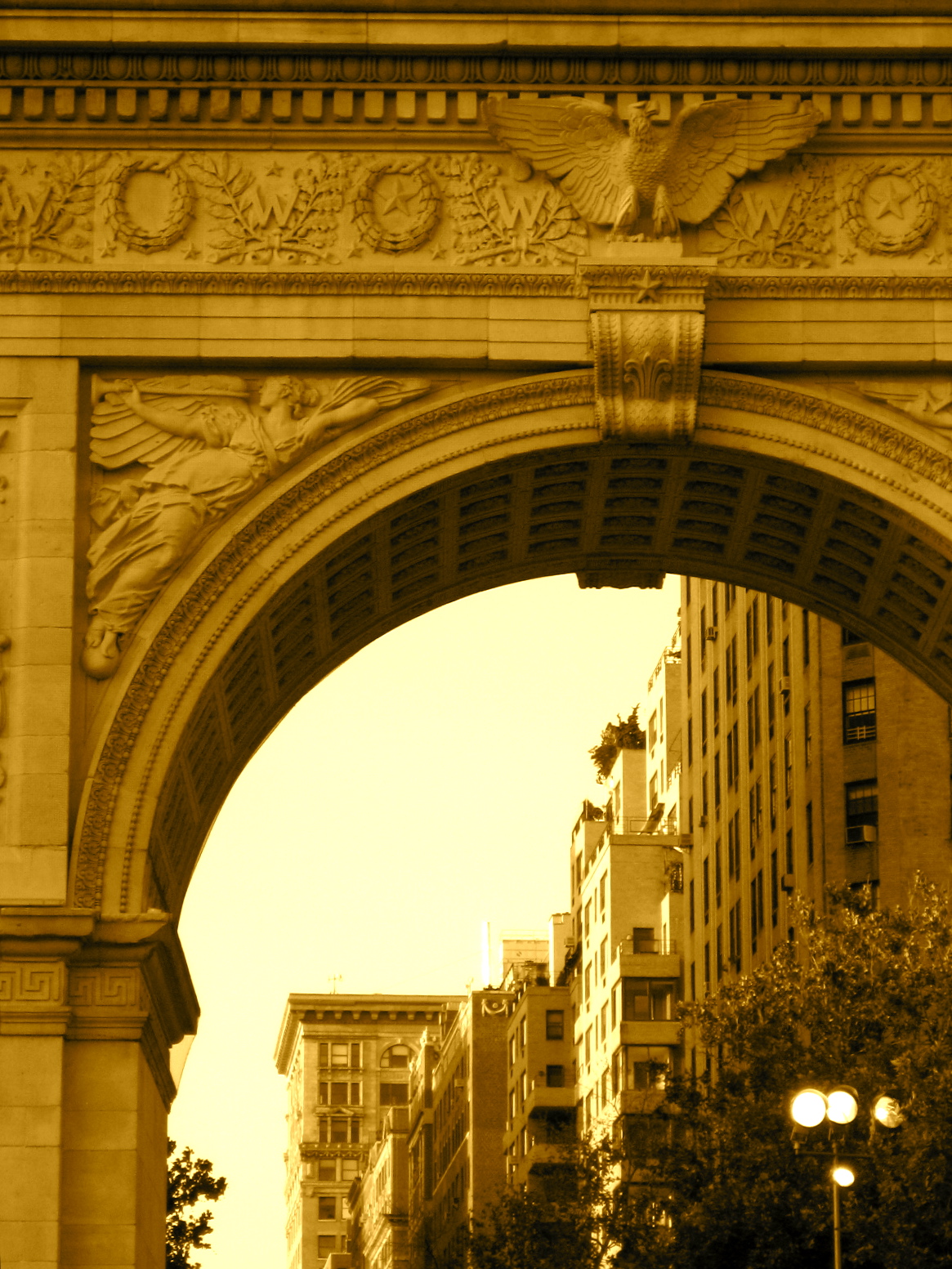
gazing up from beneath the arch…
stepping on half-grass, half-concrete, right before dusk, high above the cars and the rush…

(in four days) this is where I’ll be.
by sara felsenstein
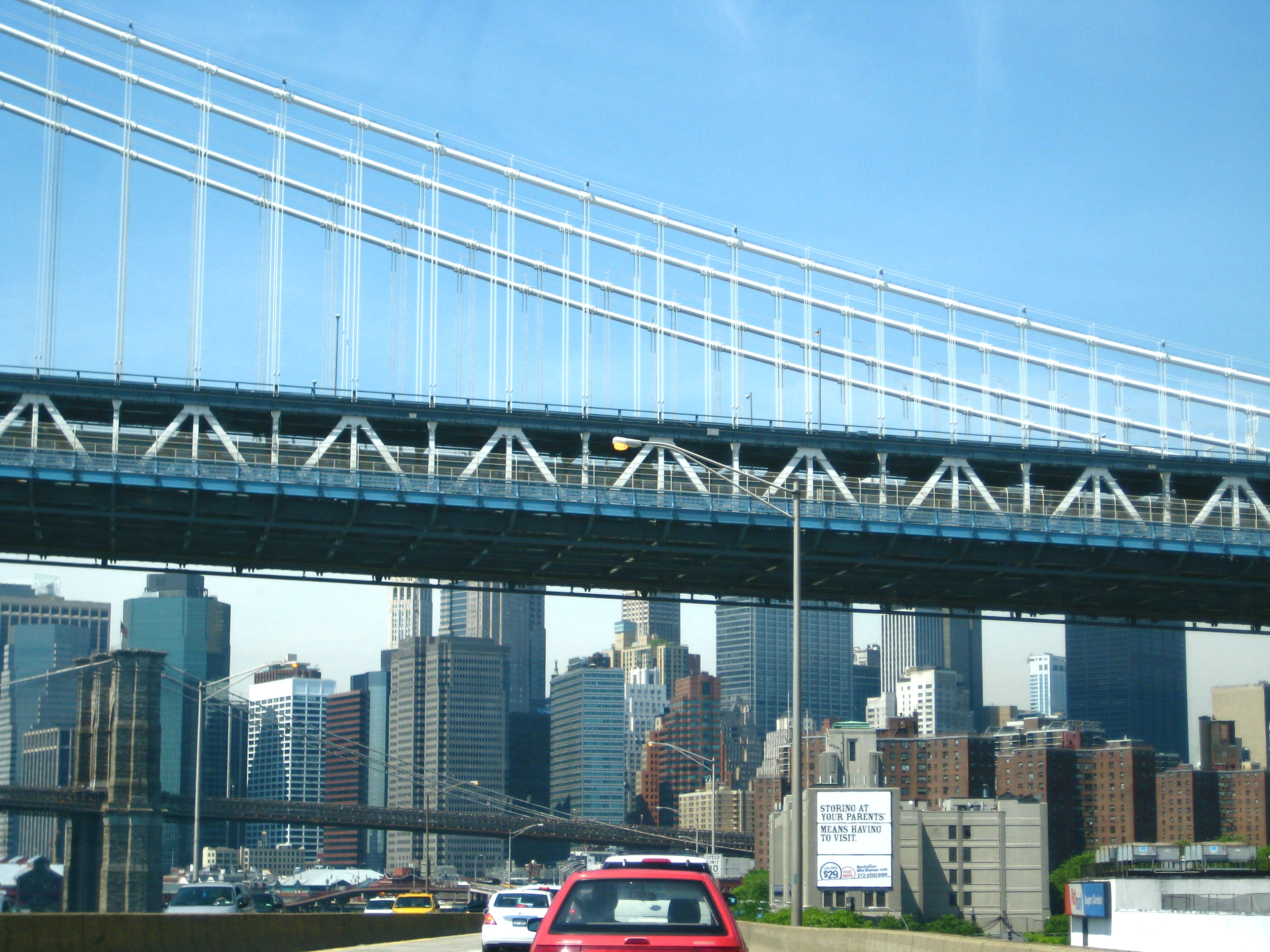
Like I said, lately I’ve been thinking a lot about my next longer piece of fiction. This is always the hardest part, coming up with an idea. “It’s not about what you write– it’s how you write it” might be a writer’s anthem, but still, there’s definitely merit in writing that presents a fresh, new idea.
How do you make an old story fresh, or a new story relatable? How do you avoid writing what hundreds of people have already written?
One thing I know for sure is that I want to write in the vignette style. Some of my favorite works of fiction are written this way– Jhumpa Lahiri’s Interpreter of Maladies and Sandra Cisneros’s The House on Mango Street. I love how vignettes allow for multiple perspectives on a common theme, and let the writer flip through time effortlessly. There’s also something poetic about a series of vignettes, because each one is pretty brief. Sometimes a never-ending chunk of text, no matter how amazing the writing, is exhausting. Vignettes let the reader and writer breathe.
I’m a fan.
But what to write about?
Right now I’m at that stage when ideas are still forming; for a moment they’re immensely exciting and I can’t wait to put pen to paper. Then the feeling fades. What was I thinking? I can’t write about that. Whoosh. Off to the trash.
When I was younger, I always saw fiction as a total escape from my suburban life, a chance to travel outside the bubble. I wrote about things I had no experience with: flappers from the 1920s, a drug-abusing mother, children with mental disabilities, a quirky New York City coffee shop. I want my new work to fall closer to home. I’ve found that good fiction writing always involves opening up somewhat. Fiction doesn’t have to be based on your life, but on some level it has to be based on your experiences.
Much of my family history lies in Brooklyn, N.Y. My grandfather (mother’s father) grew up in an Irish tenement in Brooklyn in the 1930s and 40s. My father grew up in Brooklyn Heights in a Jewish neighborhood in the 50s and 60s. People usually think of Brooklyn through its context with Manhattan, but for those who grow up there, Brooklyn is its own entity, harboring a history and character independent of “The City.”
When I think of Brooklyn I think of rising housing prices, veganism, the Brooklyn Bridge, trendy bars, artists’ studios, and hipsters. The Brooklyn I see is totally different from my father and grandfather’s Brooklyns. My story would be set only partly in Brooklyn, and would not be focused on history, but it would be interesting to somehow show the area’s development through the lense of a modern-day 20-something-year-old.
Sparknotes of a book that’s not written:
Vignettes/Flashbacks. Brooklyn. Manhattan. Midwest. Social Networking. Newspapers. 9/11.
I’ll elaborate on the other themes in a later post. Vague, I know, but let’s see where this takes me…
Lately I’ve been thinking a lot about my next work of fiction, going through old stories and poems for inspiration. I stumbled across this poem in my files, and it seems appropriate since the ten year anniversary of 9/11 is approaching. After 9/11 my family and I went to Hoboken to see the Tribute in Light and I remember feeling emptier after going than I had before– I wondered how people found comfort in lights that could be switched on and off in a second. Back then, I couldn’t understand the point of a tribute that only drew attention to what was lost, and the eeriness of those blue-light towers has always resonated with me.
Waiting in Hoboken
Dusty nighttime,
two blue columns
from another world
pierce the sky and draw
long, swaying paths
in the charcoal water.
–
a woman gasps
well isn’t that extraordinary
–
I feel
so close I could swim,
I feel
as long as these
blue lights can float
atop the river,
I can follow them back
to the
–
get on defense!
call of my soccer coach
and the
dog-walking hey kiddo!
of my next door neighbor,
escape the debris,
and I hear their voices
scuttling cross the Hudson.
–
it’s a school night, let’s go
say good-bye
to the river
home
–
the towers have fallen,
and no one speaks
my language.

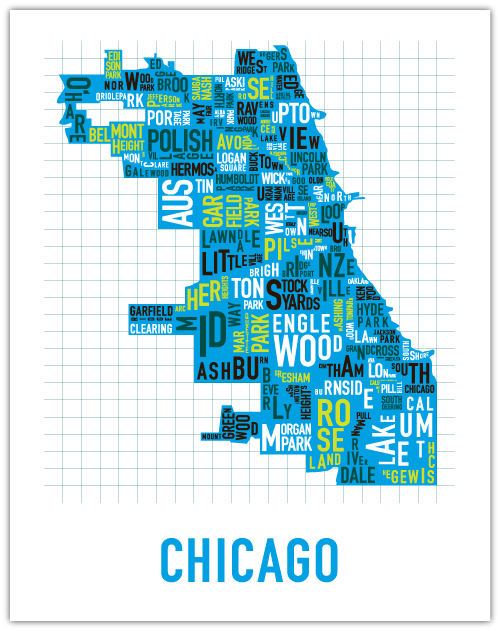
“People associate themselves with their neighborhoods, it’s a big part of how locals communicate with each other.”
–Jennifer Beorkrem, founder.
I’m in love with Ork Posters! Really simple, clean but clever design, which is generally the type of design I’m attracted to. Definitely will invest in 2 or 3 for my apartment next year.
Lauched in 2007, Ork works with local printing presses, and each poster is checked individually for misprints. The company has even turned down giants like Urban Outfitters and Macy’s to focus on building a loyal client base. The posters are pretty inexpensive ($18-$35) because Ork spends $0 on advertising.
I like the idea of dividing a city into its neighborhoods. Because cities never have a single comprehensive identity: so often, neighborhoods are a city of their own, harboring unique customs and fashions.
These posters made me think of the dorm life at the Notre Dame campus, actually. Just like being from Williamsburg, Brooklyn will immediately put you into context to a stranger, the fact that you’re a Zahm guy or a BP girl says something. I don’t know if that’s a good or bad thing, but I kind of like the idea of an ND-inspired poster divided by dorms…
Ork Posters can stand alone, but go best with a contrasting black or white frame.

Above: Madison Avenue, Toledo, OH, circa 1918.
I’m spending the summer working for the Toledo Blade in Toledo, Ohio as a reporting intern. Friends and family keep asking me, “From London to Toledo–why?” and I can honestly say that although Toledo’s no London, no New York, I like it here. I get to write every day and work with amazing people. I’m getting solid reporting experience, and am finding out a lot about the city while doing it.
It was Memorial Day Weekend when my parents helped me move in to my new apartment (which is HUGE, by the way). When we drove up to the parking lot in our Target-stuffed Suburban, dusk just starting to fall, I had mixed feelings about the whole thing. The building didn’t look all that nice from the outside. And there was absolutely nothing going on, absolutely no one on the streets, which was kind of eerie. The city is somewhat of a ghost town– when business people leave at 6 p.m., the downtown empties out. After work hours, it becomes nearly impossible to find a place to eat, except for a handful of scattered restaurants and bars. Sundays are just a lost cause.
There’s not much socially going on in Toledo, but there is always news.
Toledo is a depressed city. Once bustling and prosperous, the decline of the automotive industry and the white flight epidemic left it deflated. But everywhere, still, you see remnants of the past– beautiful Victorian houses from the 1900s, a grand theater, even hot dog joints that were opened in the 20s and haven’t changed much since. It’s interesting seeing the juxtaposition of majestic architecture and spreading urban decay, and I’m intrigued by this idea of what Toledo used to be.
I’ve been scrolling through the Toledo Library‘s archives of old photos just to get a sense of it. Pictured above is a street right in the downtown, Madison Avenue. It’s hard to imagine so many people once crowded these streets, because today they’re almost always empty.
I’ll be posting more “then and now” pictures later.

This is the same street pictured above, Madison Avenue, today.
 SKETCHING A STORY